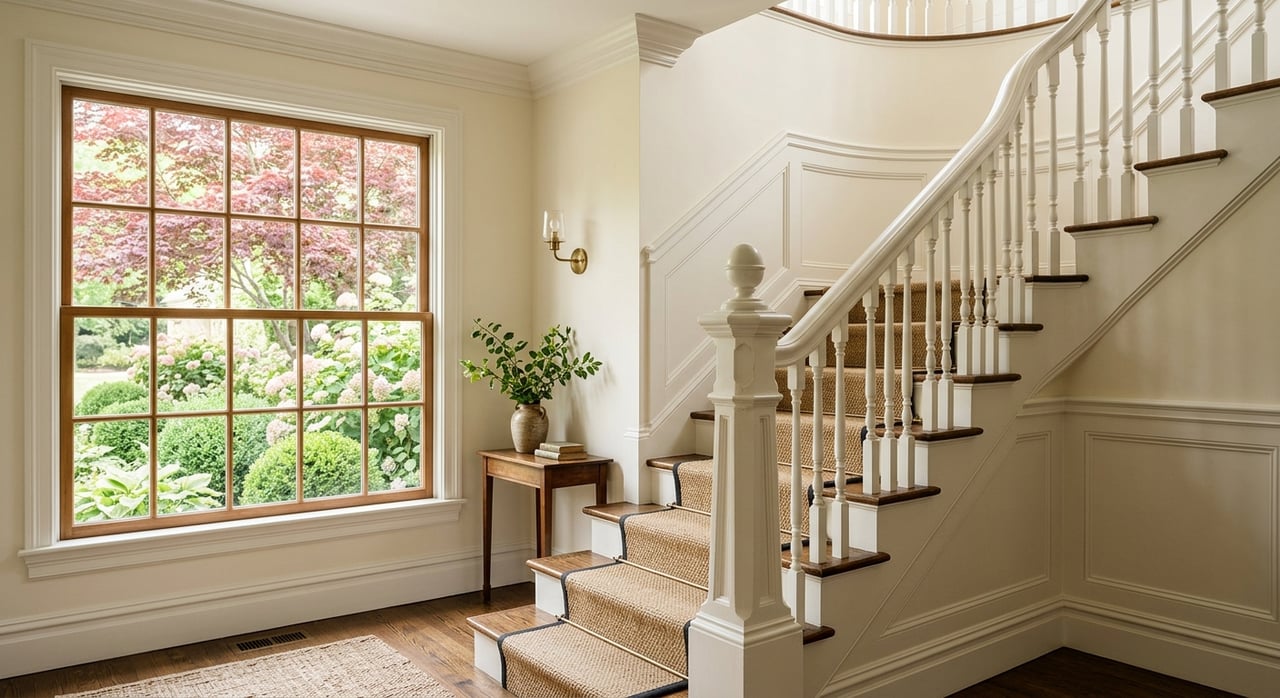
If you own a historic home in Concord, getting it ready to sell can feel like a balancing act. You want your house to look polished and market-ready, but you also do not want to over-update features that give it character or trigger avoidable issues before listing. The good news is that with the right plan, you can prepare your home in a way that respects its history, answers buyer questions, and supports a smoother sale. Let’s dive in.
Why Concord historic homes need a different plan
Concord has six local historic districts, and that matters when you prepare a home for sale. The Historic Districts Commission reviews certain exterior changes that are visible from public ways, including exterior architectural features, exterior color changes, demolition or removal, and signs.
Just as important, not every change is reviewed. Interior changes, ordinary maintenance, and exterior work that is not visible from a public way are not part of that review. Concord also notes that owners are not required to make a house look more historic or remove later additions.
That framework creates a helpful rule of thumb for sellers. In many cases, the safest pre-sale strategy is to clean, repair, and simplify rather than launch into major exterior remodeling.
Focus on preservation-minded updates
When you prepare a historic Concord home for market, small thoughtful improvements often do more than sweeping changes. Buyers are usually drawn to the details that make an older home special, and Concord’s historic guidance places real value on original materials, scale, and streetscape.
That means your first goal should be to make the home feel well maintained. A tidy exterior, repaired trim, clean walkways, and orderly landscaping can all improve presentation without changing the home’s character.
This is especially important in areas where landscape contributes to historic character. Concord’s district goals highlight features such as stone walls, open settings, and view corridors in some neighborhoods, so front-yard changes, fencing, and hardscape should be approached conservatively.
What to prioritize outside
Before you spend money, separate routine preparation from changes that may need review. Repainting in the same existing exterior color does not require a hearing, but an exterior color change visible from a public street, way, or place does.
If your exterior needs paint work, use extra care with prep. Concord’s design guidelines caution against harsh paint removal methods because aggressive stripping can damage historic wood surfaces.
A smart exterior checklist may include:
- Cleaning siding, steps, and entry areas
- Repairing damaged wood trim where feasible
- Refreshing landscaping without major layout changes
- Keeping stone walls and historic site features intact
- Avoiding unnecessary new fencing, hardscape, or prominent exterior alterations before listing
Stage the architecture, not just the rooms
Staging can be especially effective when you sell a historic home. In the 2025 Profile of Home Staging, 83% of buyers’ agents said staging helps buyers visualize a property as a future home, 49% said it reduced time on market, and 29% of sellers’ agents said it increased offers by 1% to 10%.
For a Concord antique or older home, staging works best when it helps buyers notice the house itself. Original trim, fireplaces, built-ins, staircases, tall windows, and ceiling height should be easy to see and appreciate.
That usually means editing the home more than decorating it. Too much furniture or too many accessories can hide craftsmanship that should be doing the selling.
Best rooms to stage first
The staging report found that the most commonly staged rooms were the living room, primary bedroom, and dining room. Those spaces are also where historic homes often show warmth and character most clearly.
As you prepare these rooms, focus on:
- Removing visual clutter
- Pulling furniture away from standout millwork or fireplaces
- Using light, neutral decor that does not compete with original details
- Letting natural light highlight windows and ceiling height
- Making circulation easy so rooms feel usable and comfortable
In a historic home, buyers do not need trend-heavy styling. They need to see how the house lives today while still appreciating what makes it distinct.
Be careful with windows and exterior details
Windows are one of the biggest decision points in a Concord historic home sale. The town’s design guidelines say original or historic windows should be retained and repaired when possible, and they describe storm windows and weather stripping as preferred options over replacement.
The same guidance generally discourages vinyl, aluminum, or metal-clad replacement sash in historic districts. Storm windows are considered reversible and are generally appropriate when color-matched to the house.
For sellers, the takeaway is simple. If your windows function poorly or look tired, repair may be a better pre-sale investment than replacement.
That can help in two ways. First, it aligns better with Concord’s preservation approach. Second, it gives you a clearer answer when buyers ask whether original windows were maintained thoughtfully.
Plan ahead for lead paint rules
Many Concord homes were built long before 1978, so lead paint should be part of your pre-listing plan. In Massachusetts, lead disclosure is a required part of the transfer process for homes built before 1978, and sellers must comply with Property Transfer Lead Paint Notification rules.
Older homes are more likely to contain lead-based paint. State and federal guidance cited in the research report shows that lead risk is especially relevant in older housing stock, which makes documentation and contractor selection important before listing.
If you plan painting, scraping, sanding, trim repair, or window work, use lead-safe practices. EPA Renovation, Repair and Painting rules require certified firms and trained workers for paid work that disturbs painted surfaces in pre-1978 homes.
Pre-listing lead prep steps
To stay organized, it helps to gather and confirm:
- The home’s approximate construction date
- Any existing lead documentation you already have
- Records of prior deleading or lead-related work, if applicable
- Contractor credentials for any pre-sale paint or repair work
- A plan for how lead information will be shared during the sale process
This is one area where early preparation can prevent delays later.
Expect buyers to inspect older homes closely
Buyers in Massachusetts have protected home inspection rights, and sellers cannot accept an agreement that waives, limits, or restricts the buyer’s choice to obtain an inspection unless an exception applies. The required inspection disclosure form must also be signed before the first written contract.
That means you should assume buyers will inspect a Concord historic home carefully. And because Massachusetts home inspections are visual and limited, inspectors will focus on observable systems and components such as roofing, structure, masonry, foundation, plumbing, electrical, heating, and cooling.
For many sellers, a pre-listing inspection is worth considering. It can help you identify issues buyers are likely to raise anyway, which gives you more control over timing, scope, and contractor selection.
Repairs worth making before you list
Not every old-house quirk needs to be fixed before sale. Instead, focus your budget on material issues that are likely to affect buyer confidence or show up during inspection.
That may include:
- Roof or flashing concerns
- Active water intrusion or drainage issues
- Unsafe electrical conditions
- Plumbing leaks
- Deteriorated masonry or foundation concerns
- Nonfunctioning windows or doors that can be repaired
- Peeling paint or damaged trim in pre-1978 areas, handled by lead-safe professionals
In many cases, repair is more appropriate than replacement for historically significant features. That is especially true where Concord guidance favors retaining original elements when feasible.
Tell the house story accurately
One of the most valuable things you can do before listing is research your home’s history. Concord offers strong local tools for this, including MACRIS, town GIS historic layers, historic maps, deed history, the Concord Enterprise archive, and Concord Free Public Library special collections.
That research can do more than create a charming listing description. It can help you understand what parts of the house are original, what may have been added later, and how to answer buyer questions about authenticity, maintenance, and prior changes.
This matters because Concord notes that building permits began in 1928, so records for earlier homes may be limited. For older properties, piecing together maps, deeds, and local history can give buyers a more accurate and useful picture.
What buyers want to know
Historic-home buyers often ask practical questions, not just romantic ones. If you can answer them clearly, your home may feel easier to buy.
Common questions include:
- Is the home in a local historic district?
- Do visible exterior changes require review?
- Which features are original, and which are later additions?
- Have original windows been repaired or replaced?
- Is lead paint documentation available?
- What maintenance or restoration work has been done over time?
The strongest marketing story is usually not that the house has been heavily modernized. It is that the home has been carefully maintained, sensitively updated, and thoughtfully documented.
A calm, smart selling strategy
Selling a historic Concord home is rarely about making it look new. It is about presenting it clearly, preserving what makes it special, and addressing the practical issues buyers will notice.
That is where a hands-on preparation plan can make a real difference. When you combine thoughtful staging, selective repairs, accurate documentation, and a clear understanding of Concord’s historic review rules, you put your home in a stronger position from day one.
If you are thinking about selling and want a calm, experienced plan for preparing your Concord home, Ann Shaw Homes can help you make smart decisions before you go to market.
FAQs
What makes selling a historic home in Concord different?
- Concord has six local historic districts, and certain visible exterior changes may be reviewed by the Historic Districts Commission. Interior work, ordinary maintenance, and non-visible exterior changes are generally not reviewed.
Do exterior paint changes on a Concord historic home need approval?
- Yes, if the exterior color change is visible from a public street, way, or place, it is reviewed. Repainting in the same existing color does not require a hearing.
Should you replace old windows before selling a Concord historic home?
- Usually, repair is the better first option when feasible. Concord’s guidelines prefer retaining and repairing historic windows and generally discourage vinyl or aluminum replacement sash in historic districts.
Do sellers of older Massachusetts homes need to disclose lead paint information?
- Yes. For homes built before 1978, sellers must comply with Massachusetts Property Transfer Lead Paint Notification rules and disclose known lead information.
Is a pre-listing inspection helpful for a Concord historic home sale?
- It can be. Since Massachusetts buyers have protected inspection rights, a pre-listing inspection may help you identify issues early and decide which repairs are worth making before the home goes on the market.
How can you research the history of a Concord home before listing it?
- Concord provides resources such as MACRIS, town GIS historic layers, historic maps, deed history, the Concord Enterprise archive, and Concord Free Public Library special collections to help owners research older properties.