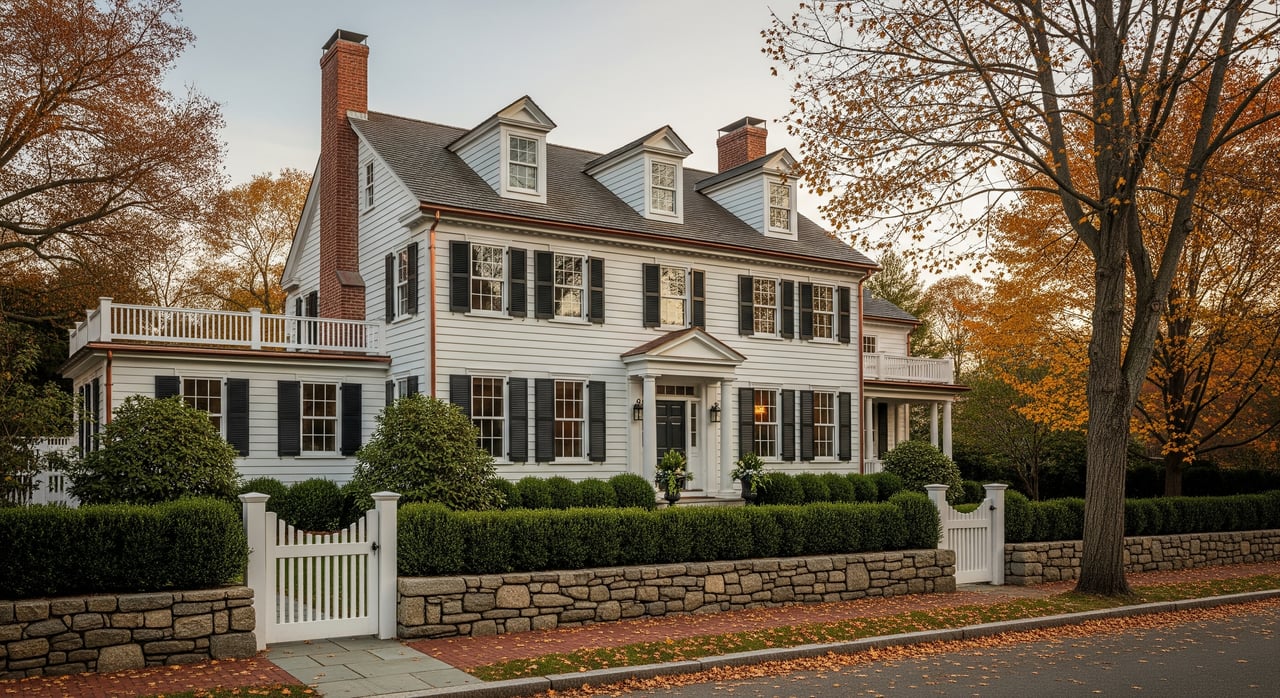
Love the idea of living on a tree-lined Concord street where every home tells a story? If you are drawn to period details and a strong sense of place, Concord’s historic districts may be a perfect fit. But buying in a historic district comes with a few extra steps. In this guide, you will learn what “historic district” means in Concord, how design review works, what changes usually need approval, and how these rules can affect value and timing. Let’s dive in.
Historic districts in Concord: the basics
Buying in a historic district can mean different things depending on the type of designation. Understanding the difference up front helps you plan renovations and timelines with confidence.
Local vs. National Register districts
- Local historic districts are created by the town and reviewed by a local Historic District Commission (HDC). The HDC can approve or deny exterior changes that are visible from a public way. These rules are legally enforceable.
- National Register districts are federal honors that recognize historic significance. On their own, they do not restrict private changes to your home unless public money or permits are involved.
- Key takeaway: A property can be listed in a National Register district without being under local HDC review. Always confirm which rules apply to a specific address.
What local review typically covers
Local HDCs generally review exterior changes visible from a public street or path. In practice, that often includes:
- Facades, additions, and new construction
- Windows, doors, siding, roofing visible from the street
- Porches, chimneys, and trim details
- Fences, driveways, curb cuts, and some landscape features
- Exterior lighting and signage in business areas
- Demolition or removal of structures may trigger a separate review or delay procedure
Because each town’s rules differ, confirm the Town of Concord’s current HDC guidelines, maps, and application forms before you plan work.
What may be exempt as maintenance
Routine maintenance and in-kind repairs are often exempt, such as replacing rotted clapboards with the same profile or repainting existing surfaces. The specifics vary by town and project. When in doubt, ask Concord’s HDC staff whether your planned work needs a Certificate of Appropriateness or is considered maintenance.
How design review works
If you plan visible exterior changes, you will likely file an application and attend an HDC meeting. Here is a plain-language overview of what to expect.
Step-by-step overview
- Do early research. Confirm whether the property sits in a local district and review Concord’s HDC guidelines.
- Book a concept chat. Many commissions offer pre-application guidance so you can test ideas before you file.
- Prepare materials. Assemble photos, drawings, specs, and product cut sheets that clearly show existing conditions and proposed changes.
- File your application. Submit your request for a Certificate of Appropriateness or similar approval.
- Attend the meeting. The HDC reviews your proposal in a public session and can approve, approve with conditions, or deny.
- Finalize and build. If approved, keep a copy of the decision, follow any conditions, and build as permitted.
Timelines to plan for
Simple or administrative reviews may take days to a few weeks. Larger projects that require a public hearing typically appear at the next scheduled meeting and can take one or more meetings to reach a decision. A realistic planning window is several weeks to a few months from first concept to final approval, depending on complexity and scheduling.
Enforcement and appeals
HDC decisions are enforceable under the town’s enabling rules. Appeals follow procedures set by state law and local bylaws. Check with the town clerk or town counsel on current processes if you think you may need to appeal.
Exterior guidelines you will see
Most HDCs use the Secretary of the Interior’s Standards for Rehabilitation as a framework. The focus is to retain character-defining features and keep new work compatible with the historic streetscape.
Windows and doors
- Expect a preference for repair over full replacement where feasible.
- If replacing, match the original profiles, muntin patterns, and proportions as closely as possible.
- Keep original door and window openings whenever you can.
Siding and roofing
- Preserve original materials like wood clapboard, shingles, brick, or stone.
- If replacement is needed, use materials that match the scale and texture of the original.
- Roof shape is important to character. Use visually similar materials when replacing visible roofing.
Porches, additions, and garages
- Maintain porch posts, balusters, brackets, and steps that define the front elevation.
- Place additions at the rear or side so they are subordinate to the main mass.
- Keep accessory buildings smaller in scale and sited so they do not dominate the view from the street.
Site elements, fences, and lighting
- Fences, driveways, and curb cuts visible from the street are often reviewed.
- Street-facing lighting and signage in business areas generally require approval.
Paint color
Some commissions review colors in certain settings, while others do not regulate residential paint color. Even if not regulated, compatible colors help the overall streetscape. Review Concord’s current rules to confirm.
Buyer checklist: before you write an offer
Use this quick list to reduce surprises and protect your timeline:
- Confirm if the property is inside a local historic district using Concord’s HDC maps or town planning portal.
- Ask the seller for copies of any Certificates of Appropriateness, past approvals, and as-built drawings.
- Review Concord’s HDC design guidelines and application packet.
- Ask HDC staff whether your planned changes will need approval or qualify as maintenance.
- Consider an HDC-approval contingency in your offer if you plan exterior work soon after closing.
- Hire a preservation-aware home inspector and contractors experienced with HDC processes.
- Obtain insurance quotes for older construction and verify any requirements from your lender.
Seller checklist: set up a smooth sale
If you are listing a home in a historic district, a little preparation goes a long way:
- Gather documentation of prior HDC approvals, building permits, and contractor warranties.
- Consider pre-applying for approval on planned exterior improvements to reduce buyer uncertainty.
- Highlight district benefits such as consistent streetscapes and established neighborhood character. Be clear that the home is within an HDC and explain the basic review steps for transparency.
Market impacts and financing
Historic districts exist to protect community character, but many buyers also ask how designation affects value and financing. Here is the short answer.
Property values research
Research on local historic districts generally finds that designation tends to stabilize and often enhance property values compared with similar areas outside districts. Studies also report that designated neighborhoods can experience slower value declines during down cycles. The exact effect varies by market, district rules, and neighborhood demand.
Incentives and tax credits
- The federal historic rehabilitation tax credit of 20 percent applies to income-producing properties that complete certified rehabilitation. It does not usually apply to owner-occupied single-family homes.
- State or local programs may offer grants or loans for preservation work. Availability changes over time, so check current Massachusetts and Concord resources.
Mortgages, insurance, and inspections
Lenders generally treat homes in historic districts like comparable properties. Older homes can require more detailed inspections for structure and systems, which may affect timelines. Insurance may cost more depending on replacement materials and methods. Get quotes early and share details with your lender.
Smart offer and listing tips
- Align your timeline. If you plan to renovate soon, build time into your contract and closing schedule for HDC review.
- Use clear contingencies. Consider a contingency tied to obtaining HDC approval for specific exterior work. Ask your attorney or agent for exact language.
- Document and disclose. If you are selling, share prior approvals and completed work authorized by the HDC. This reduces buyer risk and can support stronger offers.
Work with a local guide
Buying or selling in a historic district is very doable when you plan ahead. The key is to confirm which rules apply, know what the HDC will look for, and build a realistic schedule. If you want a personalized read on a specific Concord property, reach out to Ann Shaw Homes for a calm, step-by-step plan.
FAQs
What is the difference between Concord’s local historic districts and National Register districts?
- Local districts carry binding design review by the town’s Historic District Commission, while National Register listing is honorary for private owners unless public funds or permits are involved.
How long does HDC approval usually take in Concord?
- Simple reviews can take days to weeks, while larger projects that go to a public hearing can take several weeks to a few months from concept to final approval, depending on complexity and schedules.
Can I replace windows in a Concord historic district?
- Often, repair is preferred. If replacement is proposed, expect to match profiles, muntin patterns, and proportions. Confirm with Concord’s HDC whether your specific window work requires approval.
Do historic districts affect property values?
- Research commonly finds positive or neutral effects, with greater stability and identity in designated neighborhoods. Actual outcomes vary by market and the specifics of each district.
Are there tax credits for homeowners in Concord’s historic districts?
- The federal 20 percent historic tax credit applies to income-producing properties, not most owner-occupied homes. State or local grants and loans may be available at times, so check current programs.