Are you trying to picture what everyday life in Concord might actually feel like, not just what looks good on a map? If you are choosing between Concord Center and West Concord, the difference often comes down to your routine, your commute, and how you like to spend a typical weekday or weekend. This guide will help you compare the two village areas in a practical, lifestyle-focused way so you can better understand which setting may fit you best. Let’s dive in.
Concord Center Daily Life
Concord Center is the more compact, downtown-style part of town. The Town of Concord describes it as a walkable cultural district with a concentration of cultural, artistic, and economic activity. In day-to-day terms, that means locally owned shops, galleries, cafes, restaurants, civic buildings, and professional offices are clustered close together.
If you like the idea of combining errands with a stroll, Concord Center offers that kind of rhythm. You can be near the Main Library, the Visitor Center, and a mix of independent businesses in one relatively concentrated area. It tends to feel like a place where browsing, meeting for coffee, and stopping into local institutions can all happen in the same outing.
Walkability in Concord Center
Town materials describe walking in Concord as easy, and Concord Center is a big reason why. The area has a compact layout that supports getting around on foot for daily stops and casual exploring. There is also a commuter rail station in Concord Center, which adds another practical layer for people who value train access.
The Concord Visitor Center at 58 Main Street also offers daily walking tours, bike share, and visitor services. Even if you are not thinking like a visitor, those features reinforce how accessible and pedestrian-friendly the center is. For some buyers, that ease of movement is a meaningful part of daily quality of life.
Shops and Stops in Concord Center
Concord Center’s business mix is geared toward a classic village core. The town highlights locally owned retail, galleries, small restaurants, and cafes, alongside civic and cultural destinations. That can make everyday outings feel active without being rushed.
If your routine includes picking up a coffee, browsing a shop, visiting the library, or meeting someone in town, Concord Center supports that kind of pattern well. It also serves as the town’s visitor hub, with the Concord Visitors Center and Concord Inn identified by the town as key destinations. That can bring a bit more activity and energy to the area compared with a quieter neighborhood district.
Recreation and Culture Near Concord Center
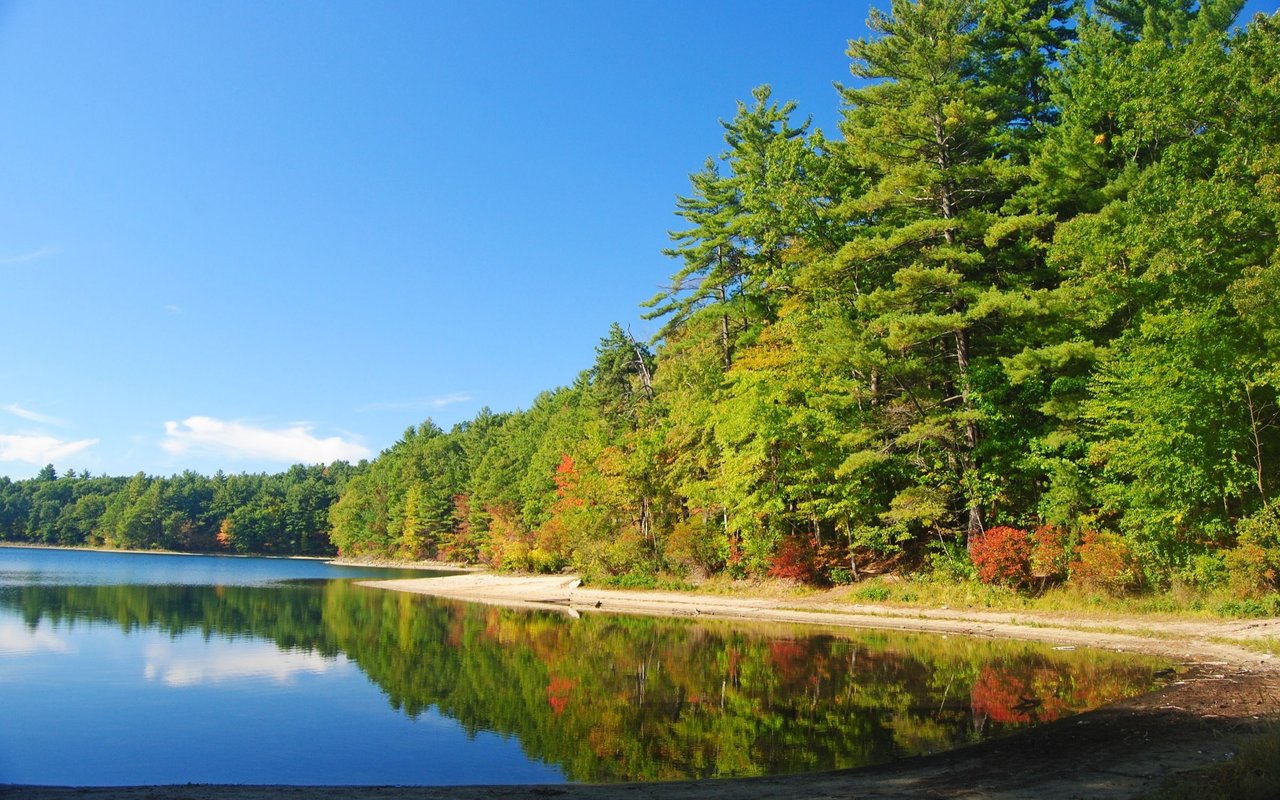
One of Concord Center’s strongest lifestyle advantages is how closely it connects to some of the town’s best-known cultural and outdoor destinations. Within walking distance are the Concord Museum, Emerson House, Minute Man National Historical Park, the Old Manse, Old North Bridge, Orchard House, and Sleepy Hollow Cemetery. Walden Pond is also nearby for hiking and walking trails.
Minute Man National Historical Park says its grounds and trails are open daily from sunrise to sunset. Its Battle Road Trail connects historic sites from Meriam’s Corner in Concord to Lexington. For people who enjoy regular access to walking routes and historic places, that can be part of everyday life, not just a once-in-a-while outing.
Concord Center also benefits from recurring civic programming. The Main Library offers events and exhibitions, and the town’s annual Ag Day on Main Street highlights Concord farms and local produce. If you enjoy a village center with visible community activity, Concord Center offers that setting.
West Concord Daily Life
West Concord offers a different kind of convenience. The town describes West Concord Junction as a cultural district with a more casual, sporty vibe, shaped by artisan shops, cafes, restaurants, artists, and performing arts spaces. It is also framed as a neighborhood business district that supports day-to-day errands.
That practical focus is a big part of West Concord’s appeal. Town materials specifically call out specialty grocery items, dry cleaning, shoe repair, pharmacy needs, and flowers. If you value a village area that helps you check real tasks off your list, West Concord may feel especially functional.
Getting Around in West Concord
West Concord is closely tied to both rail access and trail access. The district is served by the West Concord MBTA station, and the town notes that it is also accessible from the Bruce Freeman Rail Trail. That combination can work well if you want options for commuting, walking, or biking as part of your normal week.
The town describes the Bruce Freeman Rail Trail as a 26-mile multi-modal path that stretches through West Concord. There is also a bike-share station at the West Concord trail entrance. For buyers who want movement and recreation built into daily life, this is one of West Concord’s defining features.
Errands and Everyday Convenience in West Concord
West Concord stands out as a place where errands are built into the village experience. The town specifically highlights specialty grocery items, dry cleaning, shoe repair, pharmacy services, flowers, boutiques, and arts classes. That gives the district a practical, neighborhood-serving role.
The Fowler Library on Main Street also adds a civic anchor to the area. According to the town library system, both library branches offer community events, art and history exhibitions, and other public resources. That means West Concord is not just functional for errands, but also connected to regular community use.
Recreation and Events in West Concord
West Concord has more of a trail-and-pocket-park feel than a historic-downtown feel. Junction Park sits near Main Street and Commonwealth Avenue, close to both the commuter rail stop and the Bruce Freeman Rail Trail. The town describes it as a frequent gathering place with gardens cared for by volunteers.
The Gerow Recreation Area adds 7.03 acres of open space in West Concord. According to the town, it includes access paths, parking, restroom facilities, a pavilion, and plantings, and it abuts Warners Pond and the rail trail. For some households, that blend of open space and easy access makes West Concord especially appealing for regular outdoor time.
Community life in West Concord is also strongly event-driven. The town’s cultural district committee highlights recurring activities such as Discover West Concord Day, Spring Into West Concord Day, Art Week, and Porchfest. The West Concord Art Loop also returned as a half-mile walkable public art installation for 2026.
Concord Center vs West Concord
If you are comparing the two, it helps to think less about which one is better and more about which one fits your habits. Both are recognized cultural districts, and both offer shops, dining, public resources, and community activity. The feel of daily life is where the distinction becomes clearer.
Concord Center tends to align with routines built around a historic downtown, walkable browsing, arts and history, visitor activity, and civic events. West Concord tends to align with routines built around neighborhood errands, rail access, trail use, public art, and a more casual village pace. Those are lifestyle differences, not rankings.
Quick Comparison
| Daily life factor | Concord Center | West Concord |
|---|---|---|
| Overall feel | Compact historic downtown | Casual neighborhood village |
| Walkability | Easy walking in a concentrated core | Walkable with strong trail connections |
| Transit access | Commuter rail station in Concord Center | MBTA station in West Concord |
| Day-to-day errands | Best for browsing and mixed in-town stops | Best for practical errand runs |
| Recreation style | Historic sites, museum access, nearby trails | Rail trail, pocket parks, open space |
| Community energy | Visitor hub and civic programming | Event-driven and neighborhood-focused |
How to Choose for Your Routine
If your ideal day includes walking through a classic New England center, popping into a cafe, visiting the library, and being close to Concord’s historic landmarks, Concord Center may feel like the better fit. It offers a more concentrated downtown setting with a strong cultural presence. That can be especially appealing if you enjoy being in the middle of activity.
If your routine is more about practical convenience, trail access, train access, and a neighborhood business district that supports regular errands, West Concord may feel more natural. Its mix of services, public gathering spaces, and the Bruce Freeman Rail Trail creates a different kind of ease. For many buyers, that can translate into a very livable daily rhythm.
When buyers are deciding between two areas like these, the best next step is often to map your real week. Think about where you would grab coffee, run errands, walk, meet friends, or catch the train. That day-to-day lens usually makes the right fit much clearer.
If you want help thinking through how Concord Center or West Concord might align with your move, commute, or home search priorities, Ann Shaw Homes can help you compare your options with clear, local guidance.
FAQs
What is daily life like in Concord Center?
- Concord Center offers a compact, walkable village setting with locally owned shops, cafes, galleries, civic buildings, cultural destinations, and a commuter rail station.
What is daily life like in West Concord?
- West Concord offers a more casual, neighborhood-oriented routine with day-to-day errands, artisan businesses, rail access, trail access, parks, and community events.
Is Concord Center walkable for everyday errands?
- Town materials describe walking in Concord as easy, and Concord Center’s compact layout makes it practical for combining shops, cafes, library visits, and other stops on foot.
Does West Concord have train and trail access?
- Yes. West Concord is served by the West Concord MBTA station and the Bruce Freeman Rail Trail, which the town describes as a 26-mile multi-modal path.
Which area is better for errands in Concord?
- West Concord is specifically described by the town as a neighborhood business district for everyday needs like specialty grocery items, dry cleaning, shoe repair, pharmacy services, and flowers.
Which area feels more like a historic downtown in Concord?
- Concord Center is the area most closely associated with a historic downtown feel, with cultural institutions, visitor activity, and well-known historic sites within walking distance.