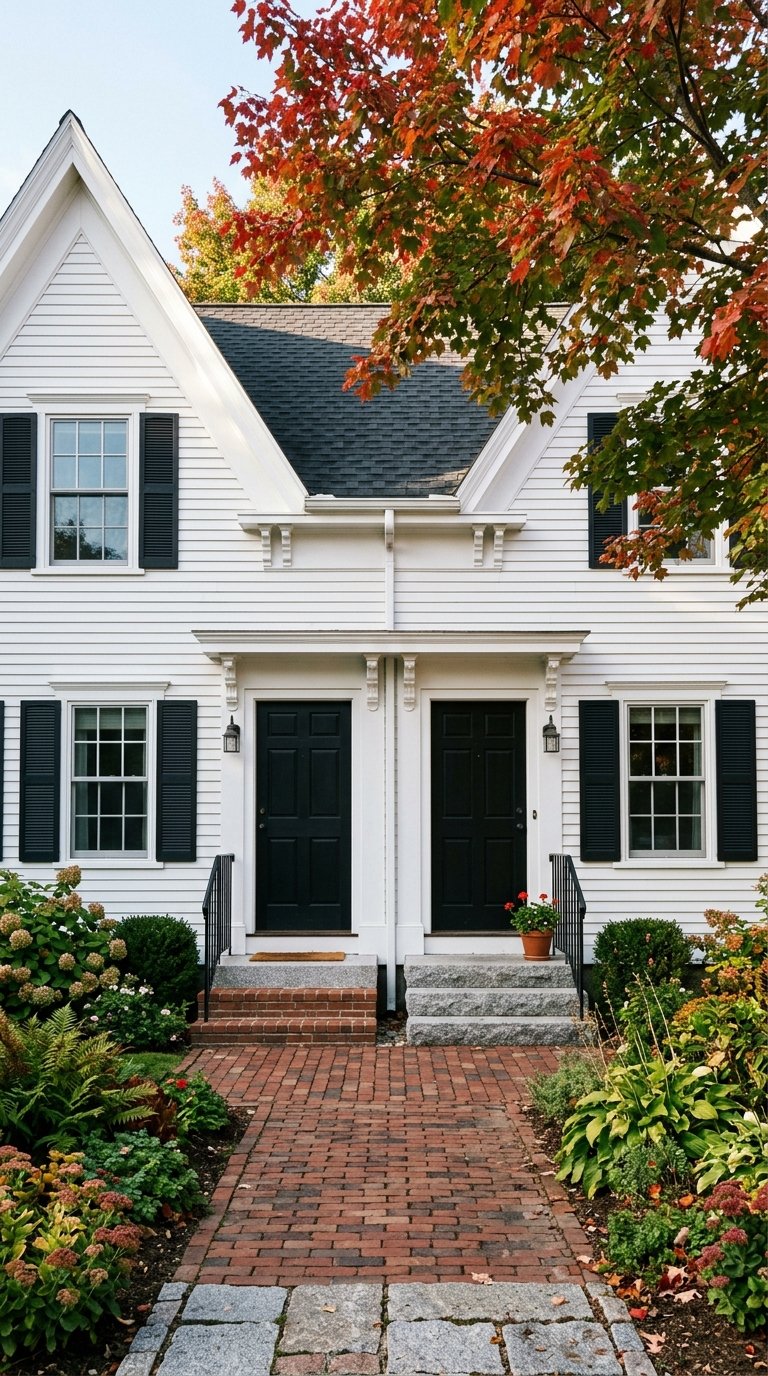
Wondering whether a condo or townhouse is the better fit in Concord? You are not alone. In a market where single-family prices are often far higher, attached homes can offer a more manageable way to buy in town, but the tradeoffs matter. If you are comparing lifestyle, cost, maintenance, and location, this guide will help you sort through the decision with more confidence. Let’s dive in.
Why attached homes stand out in Concord
Concord’s housing strategy puts the median condominium at about $699,900, compared with about $1.429 million for the median single-family home. That gap helps explain why condos and townhouse-style homes often attract buyers who want lower maintenance or a more accessible price point in Concord.
At the same time, these homes are still a premium purchase by broader suburban standards. Concord’s housing strategy also notes that a family of three would need about $240,000 in income to afford the median condo, so it is important to look beyond the list price and understand the full monthly cost.
Condo vs townhouse in Concord
In everyday conversation, many buyers use “condo” and “townhouse” as if they mean the same thing. In Concord, though, the term townhouse often describes the style of the home rather than the ownership structure.
Massachusetts building guidance describes a townhouse as an attached single-family unit in a row of three or more homes, running from foundation to roof with open space on at least two sides. In local listings, a home may be marketed as a townhouse while still being part of a condominium association, so you will want to confirm both the layout and the legal ownership form before you make assumptions.
What a condo usually means
A condo often means you own your interior unit space and share responsibility for common areas through an association. That can include grounds, roofs, building systems, parking areas, or amenities, depending on the community documents.
In Concord, this model can range from a larger amenity setting like Concord Greene to townhouse-style or detached-condo communities with different levels of shared maintenance. The monthly fee and the association rules are a big part of the decision.
What a townhouse usually means
A townhouse usually refers to a multi-level attached home with a more house-like layout. You may get a private entry, more vertical space, and sometimes a stronger single-family feel than you would in a one-level condo.
In Concord, townhouse-style homes can appear in village locations close to shops, dining, and commuter rail, but they can also be part of planned developments farther from the historic core. That is why the label alone does not tell you enough. You need to understand the specific community, maintenance structure, and fee coverage.
Where to find condos and townhouses in Concord
Concord’s attached-home market tends to be thin, which means choices can be limited at any given time. Current listing snapshots in the research show only a small number of active condo and townhouse listings, with pricing that ranges from under $500,000 for some smaller condo options to nearly $3 million for new-construction attached homes.
That spread is one reason buyers need to define their priorities early. In Concord, attached homes are not one category. They can vary widely by location, size, age, amenities, and ownership structure.
In-town and village locations
If walkability is high on your list, in-town and village-adjacent homes deserve a close look. Current listings such as Thoreau Street, Hubbard Street, and Conant Street are marketed around access to Concord Center or West Concord Village, along with nearby shops, restaurants, commuter rail, trails, and parks.
For many buyers, this is the biggest advantage of choosing an attached home in Concord. You may be able to trade some private yard space for easier day-to-day living and access to the places you use most.
Amenity communities like Concord Greene
Concord Greene is one of the clearest examples of a larger condo community in town. The town’s 2026 MBTA zoning article identifies it as a 221-unit property, and current listing details reference amenities such as a pool, tennis, fitness space, clubhouse, garden area, pond, parking options, and T-station access.
This kind of community can appeal to buyers who want a one-level option or prefer less exterior upkeep. It can also be a practical choice if you value shared amenities and more predictable maintenance responsibilities.
Newer planned developments
Concord also has newer low-maintenance homes in planned-development settings. Research points to Black Horse Place, a 19-unit planned residential development, and Hatch Farm Lane, where condo-style homes include HOA coverage for grounds and snow removal.
These homes may offer newer systems, larger footprints, and more parking, but they often come at a higher price point. For some buyers, that tradeoff is worth it for newer construction and a lower-maintenance setup.
How monthly fees affect affordability
One of the biggest mistakes buyers make is focusing too much on purchase price and not enough on the total monthly cost. In Concord, HOA fees can vary sharply from one community to another, and what is included can vary just as much.
For example, one Concord Greene listing shows a fee that covers heat, gas, water, sewer, insurance, building maintenance, grounds maintenance, road maintenance, snow removal, trash, and reserve funds. By contrast, a townhouse listing at 32 Thoreau showed a $400 monthly association fee with insurance as the included service, while Hatch Farm Lane was listed with a $650 monthly fee covering grounds maintenance and snow removal.
Look at fee amount and fee coverage
A higher monthly fee is not always a negative. If that fee covers major utilities, building upkeep, snow removal, and strong reserve funding, it may support a more predictable budget.
A lower fee can look attractive at first, but it may mean more out-of-pocket responsibilities or less robust reserve funding. The key is to compare what you are paying for, not just the number itself.
What to review before you buy
Massachusetts condominium law gives buyers a useful framework for reviewing a community’s health. Common expenses must be assessed at least annually based on an annual budget, and condominiums must maintain an adequate replacement reserve fund separate from operating funds.
The records available for review can include the master deed, bylaws, meeting minutes, financial records, reserve-fund records, contracts, and current insurance policies. Since the Commonwealth does not regulate condominiums directly, careful document review matters, and buyers often benefit from working with an attorney who knows condo law.
Key questions to ask
Before you move forward, ask for clear answers to questions like these:
- What does the monthly fee actually include?
- How much is in the reserve fund?
- Are there any pending or recent special assessments?
- Who handles roofs, siding, windows, decks, driveways, and sidewalks?
- Are there rules on pets, rentals, parking, or renovations?
- Does the home rely on stairs, or is it primarily one-level living?
- How are storage and parking assigned?
These questions can help you understand not just the home, but also the long-term ownership experience.
Which option fits your goals?
The best choice depends on how you want to live in Concord. A condo and a townhouse can both work well, but they often serve different priorities.
Best fit for first-time buyers
If you are buying your first home, focus on total monthly carrying cost. In Concord, lower-priced options in the current market tend to cluster around communities like Concord Greene, while in-town townhouse-style homes can move into the $900,000-plus range quickly.
That makes budgeting especially important. Add the mortgage, taxes, insurance, and HOA fee together before deciding what feels affordable.
Best fit for downsizers
If you are downsizing, convenience is often the deciding factor. A one-level or ground-floor condo in a larger community may reduce everyday maintenance and simplify daily living.
On the other hand, a newer condo-style home may offer updated systems and more space, but often at a much higher purchase price. The right question is not just “How much space do I want?” but also “How much upkeep do I want?”
Best fit for relocators and commuters
If you are relocating or commuting, location may matter more than floor plan. In-town and West Concord locations often stand out for proximity to commuter rail, village shops, dining, trail access, and parking.
For buyers with a busy weekly routine, that kind of convenience can shape your quality of life just as much as the home itself. It is worth weighing carefully as you compare options.
A simple touring checklist
When you tour condos and townhouses in Concord, keep this checklist handy:
- Location and access to daily destinations
- Monthly fee and what it includes
- Reserve strength and any special assessments
- Maintenance responsibilities inside and outside
- Pet, rental, and renovation rules
- Parking and storage setup
- Number of stairs and ease of living
- Resale appeal within that specific community
This list can help you compare homes more clearly, especially when two properties look similar online but offer very different ownership experiences.
Choosing between a condo and townhouse in Concord comes down to balancing budget, lifestyle, maintenance, and location. With such a limited and varied attached-home market, it helps to have a local guide who understands how these communities differ from one listing to the next. If you want help comparing options and narrowing your search, Ann Shaw Homes can help you make a confident move.
FAQs
What is the difference between a condo and townhouse in Concord?
- In Concord, a townhouse often describes the home’s style, while the ownership may still be part of a condominium association. You should confirm both the physical layout and the legal ownership structure.
What is the median condo price in Concord?
- Concord’s housing strategy places the median condominium at about $699,900.
Where are many Concord condos and townhouses located?
- Attached homes in Concord often cluster near Concord Center, West Concord Village, Concord Greene, and some newer planned-development areas outside the historic core.
What should you ask about a Concord HOA fee?
- Ask what the fee includes, how much is held in reserves, whether there are upcoming special assessments, and which parts of the property the association maintains.
Are condo fees in Concord all the same?
- No. Research shows that fee amounts and coverage vary widely by community, from limited included services to broad coverage that may include utilities, maintenance, snow removal, trash, and reserve funding.