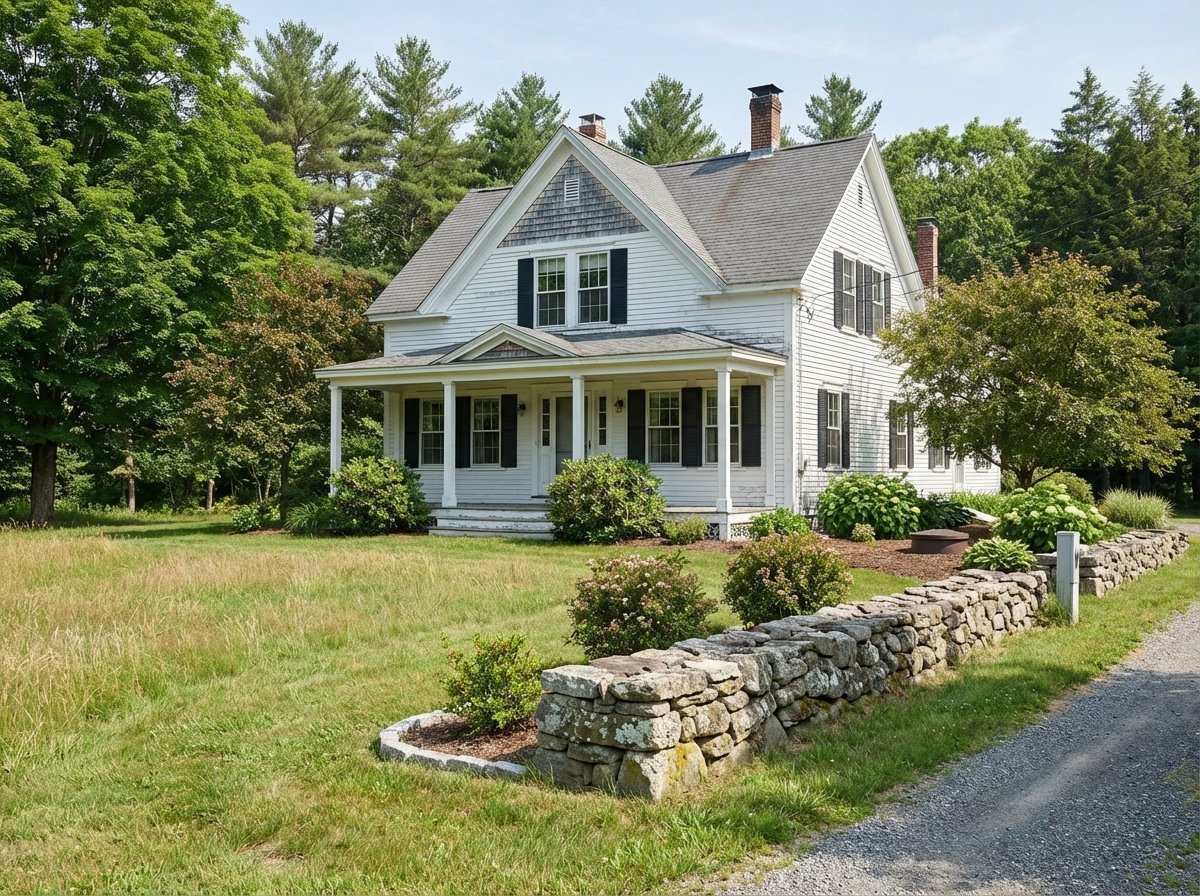
Dreaming of a little more elbow room, starry skies, and space for gardens or a barn? If Carlisle is on your list, you’re not alone. Buyers are drawn to its privacy, trail networks, and classic New England feel. In this guide, you’ll learn the essential steps to buy a home on acreage in Carlisle, including zoning rules, septic and well due diligence, wetlands limits, utilities, maintenance costs, and a practical checklist. Let’s dive in.
Why Carlisle appeals to acreage buyers
Carlisle is a low-density town known for large lots, conservation land, and a calm, rural character. With a population just over 5,300, it offers a quiet setting within Greater Boston’s orbit. You’ll find a high share of owner-occupied homes and a higher-cost market, which supports long-term stability. You can explore basic town stats in the U.S. Census QuickFacts for Carlisle to get a feel for community scale and housing trends.
Conservation land is a defining feature here. Large parcels like Greenough Land and Foss Farm create trail access and natural buffers that protect Carlisle’s rural feel. These holdings also limit how much land is available for private development, which is part of the town’s appeal for buyers who want privacy.
Zoning basics that shape your land
Carlisle’s zoning is intentionally low density. Most residential land sits in two main districts with minimum lot sizes and frontage standards that limit overbuilding. The town’s zoning FAQ outlines the typical requirements for Residence District A and B, including minimum lot area, frontage, and setbacks. These rules determine what you can build, where you can place structures, and whether a lot can be subdivided in the future.
If your long-term plan includes an addition, a barn, an accessory apartment, or a potential subdivision, talk with the Planning Board early. The Board oversees subdivision and special permits, and an early read will save you time and money.
Septic and well: your first priorities
Carlisle does not have municipal sewer or a town water backup. Most homes rely on a private well and on-site septic system, so these two systems should be top of mind when you evaluate any acreage.
- Septic: Massachusetts Title 5 sets statewide rules for siting, inspection, and upgrades. A passing Title 5 inspection is typically required at transfer. Always confirm a current, passing report or an approved upgrade plan before you close.
- Local rules: Carlisle’s Board of Health has supplementary regulations that can be stricter than Title 5. This can affect what type of system is allowed and where it can go.
- Well: Verify the well’s depth, pump details, yield, and recent water-quality tests. Because there is no municipal water fallback, you need confidence in both water quality and capacity.
Wetlands, buffers, and conservation restrictions
Many larger lots in Carlisle include or abut wetlands. The town enforces a local wetlands bylaw in addition to the state Wetlands Protection Act. If any proposed work, driveway changes, or new structures are near resource areas, expect to file with the Conservation Commission. This process can add time and conditions, and it may reduce the buildable area on a parcel.
Conservation restrictions are also common. A recorded CR permanently limits certain uses and may include public access rights. You should ask your attorney and title company to check for recorded CRs or other encumbrances before you finalize an offer strategy.
Utilities and connectivity on rural lots
- Electricity: Carlisle is served by Eversource. Service specifics, such as transformer placement and capacity, are address dependent. Confirm details during due diligence.
- Natural gas: Availability varies by street. Many homes use oil, propane, or electric for heat. Check with Eversource and review the seller’s disclosures for fuel type.
- Internet: Broadband coverage varies across Carlisle. Many areas have cable, and some rely on DSL, 5G home internet, or satellite. Always confirm options and speeds at the exact address before you commit.
Access, private ways, and fire protection
Some Carlisle homes sit on private ways or share long common driveways. When a road is private, owners usually handle plowing and maintenance. This affects annual costs and should be clear in your offer and budget.
Carlisle’s Fire Department is an on-call department, and many areas do not have hydrants. Water is often supplied by tankers or local sources. If a home is remote or hard to reach, confirm insurance availability and cost, as well as any access or water-supply requirements, with the Fire Department and your insurance broker.
Your due diligence: inspections and permits
On acreage, a smart due diligence plan focuses on land and infrastructure. Line these up as soon as your offer is accepted, and make them contingencies when possible.
- Title 5 septic inspection and records review. Confirm a passing report or an approved upgrade plan. Ask for the septic as-built and maintenance history.
- Soils evaluation and percolation test. A perc test confirms what type of system is feasible and whether a reserve area exists.
- Well inspection and water-quality testing. Verify yield, pump details, depth, and recent tests for bacteria, nitrates, and other concerns.
- Wetlands delineation. If wetlands or buffers are present, invest in delineation and a pre-application conversation with the Conservation Commission.
- Boundary survey. Older acreage often lacks a recent survey. A certified plan clarifies lot lines, frontage, setbacks, and the location of the well and septic.
- Planning and building review. Confirm zoning district, frontage, nonconforming structures, accessory buildings, and any prior permits. Speak with the Planning Board if you are considering an accessory apartment, barn, common driveway, or subdivision.
Long-term costs to plan for
Budget for ongoing care so your land stays safe, healthy, and enjoyable.
- Field mowing and invasive-species control
- Tree care and hazard removal
- Driveway upkeep and snow removal on long drives
- Septic pumping and periodic repairs
- Well maintenance and equipment replacement
- Fencing, gates, and trail or access maintenance
- Insurance costs that reflect distance to hydrants and access conditions
Taxes, land programs, and resale impact
Some Carlisle properties are enrolled in Chapter 61, 61A, or 61B programs, which can reduce taxes for managed forest, agricultural, or recreational land. These programs come with rules, including possible municipal rights of first refusal at sale. Always verify whether a parcel is enrolled and understand how it will affect your sale timeline down the road.
Community preservation and conservation restrictions also shape long-term use. Projects that combine housing, recreation, and conservation are part of Carlisle’s landscape and can protect open space near your home.
Smart offer strategy for acreage
In a low-inventory town with unique parcels, strong offers protect your interests and keep your options open. Consider these tips:
- Make septic and well inspection results a contingency.
- Ask for seller records up front, including Title 5, septic as-builts, well logs, and water tests.
- Confirm zoning district, frontage, and setbacks early.
- If subdivision or an accessory unit is a goal, schedule a Planning Board conversation before you finalize terms.
- Verify utilities, road ownership, driveway maintenance, and any shared agreements.
- Budget for septic upgrades, well work, driveway repair, and tree care if reports suggest upcoming needs.
Buyer checklist for Carlisle acreage
Use this quick list during showings and before you write an offer:
- Confirm the zoning district and required setbacks.
- Request the latest Title 5 report, septic as-built, and maintenance history.
- Ask for prior perc tests, soils evaluations, and well logs or recent water-quality tests.
- Verify whether the parcel includes wetlands or buffers and whether any Conservation filings exist.
- Order a boundary survey to confirm lot lines, frontage, and any easements or conservation restrictions.
- Confirm utility options at the address, including electric, heating fuel, and broadband choices.
- Clarify road ownership and responsibility for driveway and plowing.
- Speak with your insurer about fire protection, access, and replacement-cost coverage.
How a local guide makes this easier
Every Carlisle parcel tells a different story, and due diligence can feel complex. With nearly three decades of local experience across the Acton–Concord corridor, our team helps you line up the right experts, read town files, and plan offers that protect your goals. If you want space, privacy, and a smooth path to closing, let’s talk about the right approach for your move.
Ready to explore Carlisle acreage with a calm, experienced guide? Connect with Ann Shaw Homes for a personal consultation.
FAQs
What should I check first when buying acreage in Carlisle?
- Start with septic and well viability, since Carlisle relies on private systems. Confirm a passing Title 5 inspection, review local Board of Health rules, and verify well yield and water quality.
How do Carlisle zoning rules affect what I can build?
- Minimum lot sizes, frontage, and setbacks shape where you can place structures and whether you can add an accessory apartment or subdivide. Review the town’s zoning FAQ and speak with the Planning Board early.
How do wetlands impact building on my lot?
- Wetlands and buffer zones can reduce buildable area and may require Conservation Commission filings before you do work near resource areas. Plan for extra time and conditions in your project timeline.
Is natural gas available at rural Carlisle homes?
- It varies by street. Many homes use oil, propane, or electric heat. Confirm service options with Eversource and review the seller’s disclosures for fuel type.
What ongoing costs should I expect on a larger lot?
- Budget for septic pumping, well maintenance, driveway repair and plowing, tree work, and field care. Insurance can also be higher if your property is far from hydrants or has access challenges.
What are Chapter 61 programs, and why do they matter?
- Chapter 61, 61A, and 61B can reduce taxes for managed land but may give the town rights of first refusal at sale. Verify enrollment status and plan for these steps in your resale timeline.
[Sources]
- Review Carlisle’s basic demographics and housing stats in U.S. Census QuickFacts.
- See Carlisle’s zoning FAQ and the Planning Board for lot size, frontage, and permits.
- Learn about local septic and well oversight from the Carlisle Board of Health, and statewide septic requirements under Massachusetts Title 5.
- Confirm electric and potential gas service on Eversource’s communities we serve page, and check address-level internet options via this broadband availability summary.
- For access and insurance questions, contact the Carlisle Fire Department.
- If a property is enrolled in land-use tax programs, review the town’s Policies and Procedures for Chapter 61 guidance.