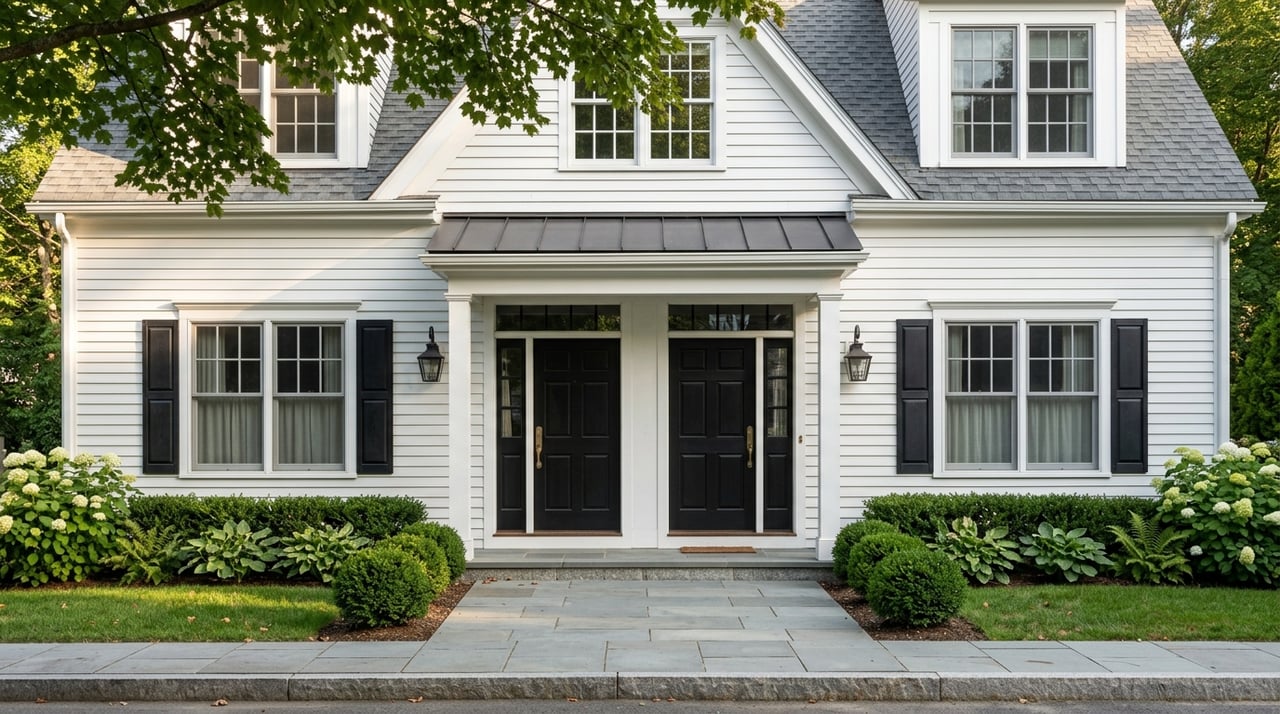
Trying to choose between a condo and a single-family home in Acton? You are not alone. In a market where homes move quickly and prices can vary widely by property type, the right choice often comes down to your budget, lifestyle, and how much day-to-day responsibility you want to take on. This guide will help you compare both options in a practical, Acton-specific way so you can move forward with more clarity. Let’s dive in.
Acton housing at a glance
Acton is a high-cost, owner-occupied market with strong demand. U.S. Census data shows a 74.9% owner-occupied housing rate and a median owner-occupied home value of $807,300. Redfin’s current market snapshot also reports that homes in Acton receive about five offers on average and sell in around 19 days.
That pace matters when you are deciding what to buy. A condo may offer a lower entry point, while a single-family home may offer more space and flexibility. In either case, you are shopping in a market where preparation and a clear decision framework can make a real difference.
Acton inventory shapes your options
Acton’s housing stock still leans heavily toward detached homes. The town’s 2020 Housing Production Plan says 63% of housing units are single-family detached, while 19% are in buildings with 10 or more units.
That local mix shows up in current listings too. Recent portal snapshots show about 20 single-family homes for sale in Acton compared with about 6 condos. If you are hoping for a condo, expect fewer choices. If you are looking for a detached home, you may see more options, but often at a much higher price point.
Why condos appeal to Acton buyers
For many buyers, condos are attractive because they can lower the purchase threshold and reduce ongoing upkeep. Current Acton condo listings show a median listing price of about $285,000, which is far below the recent small-sample median sale price snapshot of $910,000 for houses.
That price gap can make condo ownership worth a serious look, especially if you are a first-time buyer, downsizer, or someone who wants a simpler home base. A condo can also be a good fit if you travel often or want a more lock-and-leave lifestyle.
What you own with a condo
Under Massachusetts condominium law, you own your individual unit and also hold an undivided interest in the common areas and facilities. The organization of unit owners is responsible for common-area maintenance and repair.
In practical terms, that usually means you have less direct responsibility for exterior work and shared spaces. Many buyers find that appealing because it can reduce the number of maintenance decisions they have to manage personally.
What condo fees really mean
Condo fees are usually separate from your mortgage payment. They often help cover exterior repairs and maintenance of shared spaces, and may also include costs such as water, sewer, trash, or shared amenities.
That can simplify your monthly planning in some ways, but it does not mean your costs are fixed forever. Fees can change over time, and special assessments can happen, which is why reviewing the association’s financial health is so important before you buy.
Why single-family homes appeal to Acton buyers
Single-family homes remain the default choice for many Acton buyers. If privacy, yard space, storage, or having more control over your property matters to you, a detached home may feel like the better long-term fit.
You also have more freedom to manage repairs and improvements on your own timeline. That level of control is a major reason many buyers choose a house over a condo, especially if they expect their needs to change over time.
More room to adapt over time
Acton has made some zoning changes that may improve flexibility for detached homeowners. Town planning information notes that some additions of up to 1,000 square feet are now allowed without a special permit, and certain expansions within an existing footprint may be allowed by right.
The town also updated its ADU bylaw in 2025 to align with state law. If you are thinking ahead about future space needs, multigenerational living, or long-term adaptability, that extra flexibility may matter.
More responsibility comes with the space
The tradeoff is straightforward. When you buy a single-family home, you generally take on the upkeep burden directly instead of sharing it through an association budget.
That means you need to budget not just for your mortgage, but also for taxes, insurance, utilities, and routine maintenance. In a town like Acton, those non-mortgage costs can add up quickly.
Compare the real monthly cost
The biggest mistake buyers make is focusing only on list price. In Acton, the better comparison is your all-in monthly cost.
For a condo, that may include:
- Mortgage
- Property taxes
- Homeowners insurance
- Utilities
- Condo or HOA fee
- Possible future special assessments
For a single-family home, that may include:
- Mortgage
- Property taxes
- Homeowners insurance
- Utilities
- Lawn care, snow removal, and exterior upkeep
- Routine repairs and long-term maintenance
Acton’s 2026 tax rate is $16.23 per $1,000 of value. Based on the Census median owner-occupied value of $807,300, that works out to about $13,102 per year in property tax, or roughly $1,092 per month, before mortgage and insurance. That is a helpful reminder that affordability is about the full picture, not just the asking price.
A simple way to decide
If you are torn, start with your priorities instead of the listing photos. The right answer often becomes clearer when you think about how you want to live over the next five to ten years.
A condo may be the better fit if you want:
- Lower-maintenance ownership
- A smaller footprint
- A lower purchase price
- Easier lock-and-leave living
- Less responsibility for exterior repairs
A single-family home may be the better fit if you want:
- More privacy
- Yard space or outdoor living
- More storage
- Greater control over repairs and updates
- Better potential to remodel or expand over time
Neither option is automatically better. The best choice depends on what you value most and how comfortably the total monthly cost fits your budget.
What to review before buying a condo in Acton
Because condo inventory in Acton is limited, it can be tempting to move quickly when a unit comes on the market. Speed matters, but so does due diligence.
Before you buy, review:
- The association budget
- Reserve funds
- Special assessment history
- Condo rules and restrictions
- Whether the project is warrantable for financing
These details can affect both your monthly costs and your financing options. They also help you understand whether the building is being managed in a stable, predictable way.
What to review before buying a house in Acton
With a detached home, the key questions are a little different. You are not reviewing an association. You are evaluating the property itself, its zoning context, and your likely maintenance responsibilities.
Before you buy, confirm:
- The property’s zoning status
- Whether the lot is nonconforming
- Whether future additions are realistic
- Whether an ADU may be possible under current rules
- The likely short-term and long-term upkeep needs
Acton planning staff note that roughly 1 in 3 residential lots is nonconforming. That does not mean a property is a poor choice, but it does mean you should understand what is and is not possible before you make long-term plans.
How your timeline should influence the choice
Your expected length of ownership matters more than many buyers realize. If you want a simpler home for the next few years and low upkeep is a top priority, a condo may align better with your goals.
If you expect to stay longer and want room to grow, customize, or spread out, a single-family home may offer better long-term value for your lifestyle. In Acton, where detached homes make up the bulk of the housing stock, that path may also align more closely with what many buyers are ultimately seeking.
The bottom line for Acton buyers
In Acton, condos and single-family homes solve different problems. Condos can offer a lower entry price and less day-to-day maintenance, but they come with association rules, fees, and some shared financial risk. Single-family homes offer more privacy, space, and control, but they usually cost much more up front and require a bigger commitment to maintenance and monthly expenses.
If you compare the all-in monthly cost, think honestly about your lifestyle, and review the right documents before you buy, the best choice usually becomes much easier to see. And in a fast-moving market like Acton, that clarity can help you act with more confidence when the right property appears.
If you want help weighing condos versus single-family homes in Acton, Ann Shaw Homes offers thoughtful, local guidance to help you compare your options and move forward with confidence.
FAQs
What is the main difference between buying a condo or a single-family home in Acton?
- In Acton, a condo usually offers a lower purchase price and less exterior maintenance, while a single-family home usually offers more privacy, yard space, and control over repairs and future changes.
How many condos are typically for sale in Acton?
- Current listing snapshots suggest condo inventory is limited in Acton, with about 6 condos for sale compared with about 20 single-family homes.
What should you check before buying a condo in Acton?
- You should review the condo association budget, reserve funds, special assessment history, rules, and whether the project is warrantable for financing.
What should you check before buying a single-family home in Acton?
- You should confirm the property’s zoning status, whether the lot is nonconforming, whether future additions are realistic, and what maintenance costs you may need to budget for.
How much do property taxes affect affordability in Acton?
- Property taxes can have a major impact on affordability. Using Acton’s 2026 tax rate of $16.23 per $1,000, a home valued at $807,300 would generate about $13,102 in annual property tax, or roughly $1,092 per month.
Is a condo or a house better for first-time buyers in Acton?
- For many first-time buyers in Acton, a condo may offer a more accessible entry point because of its lower price, but the better choice depends on your budget, maintenance preferences, and long-term plans.